Communicating for Impact: Building the Strategic Communication Capacity of UNDP Partners in The Gambia | Martin Namasaka
Communicating for Impact: Building the Strategic Communication Capacity of UNDP Partners in The Gambia
Martin Namasaka· 13 August 2026· 9 min read· UNDP The Gambia
“
UNDP The Gambia convened a Communications Masterclass for implementing partners, built around a single argument: communication is not a support function at the margins of development programmes, but a strategic management function that shapes credibility, accountability, and the ability to mobilize resources.
In development, success is not defined solely by the quality of programmes delivered. It is equally shaped by the ability to demonstrate results, build trust, influence decision-making, mobilize resources, and sustain stakeholder support. As development challenges become more complex and competition for attention and funding intensifies, communication has emerged as one of the most critical strategic functions within development organizations.
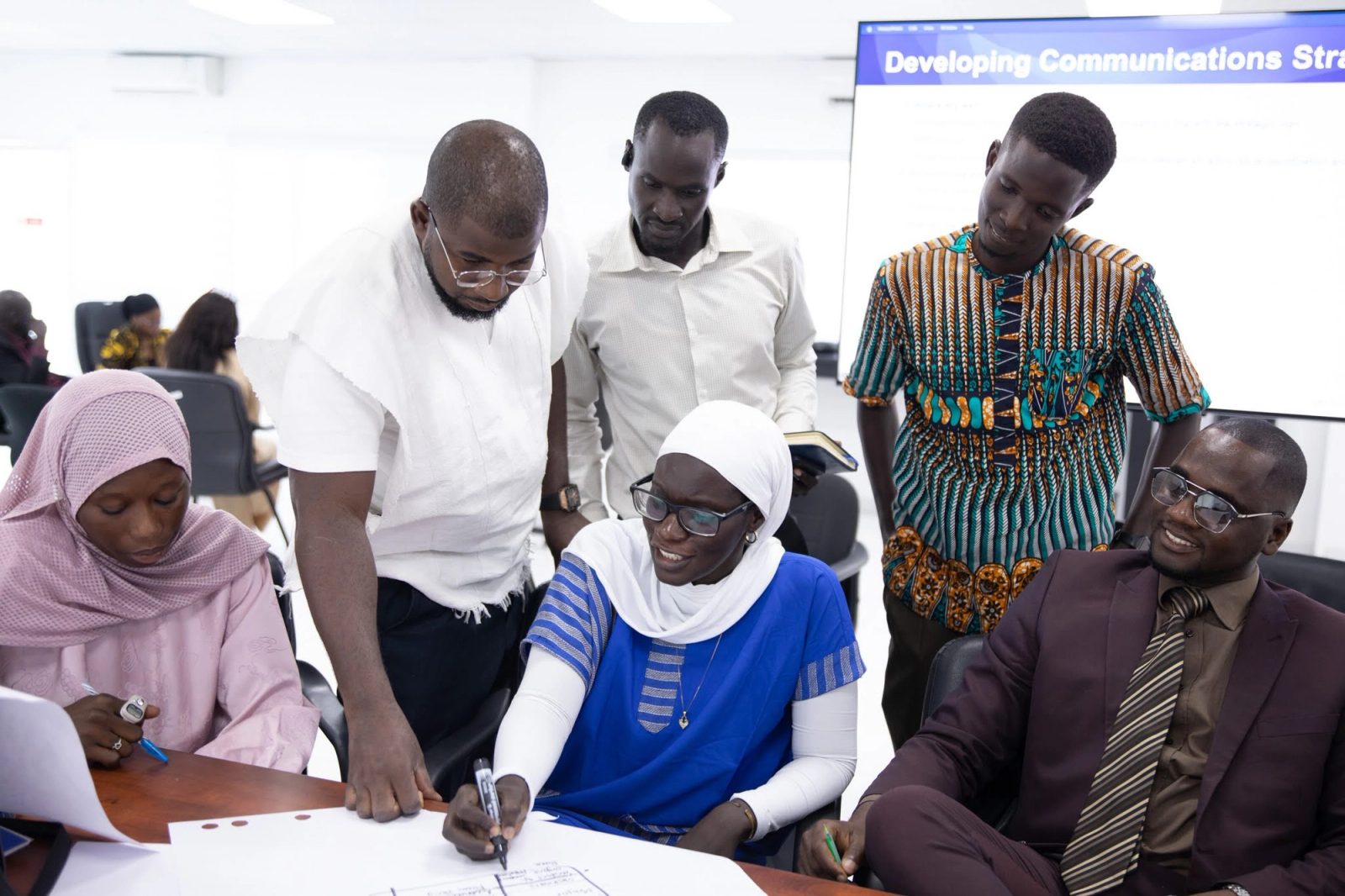
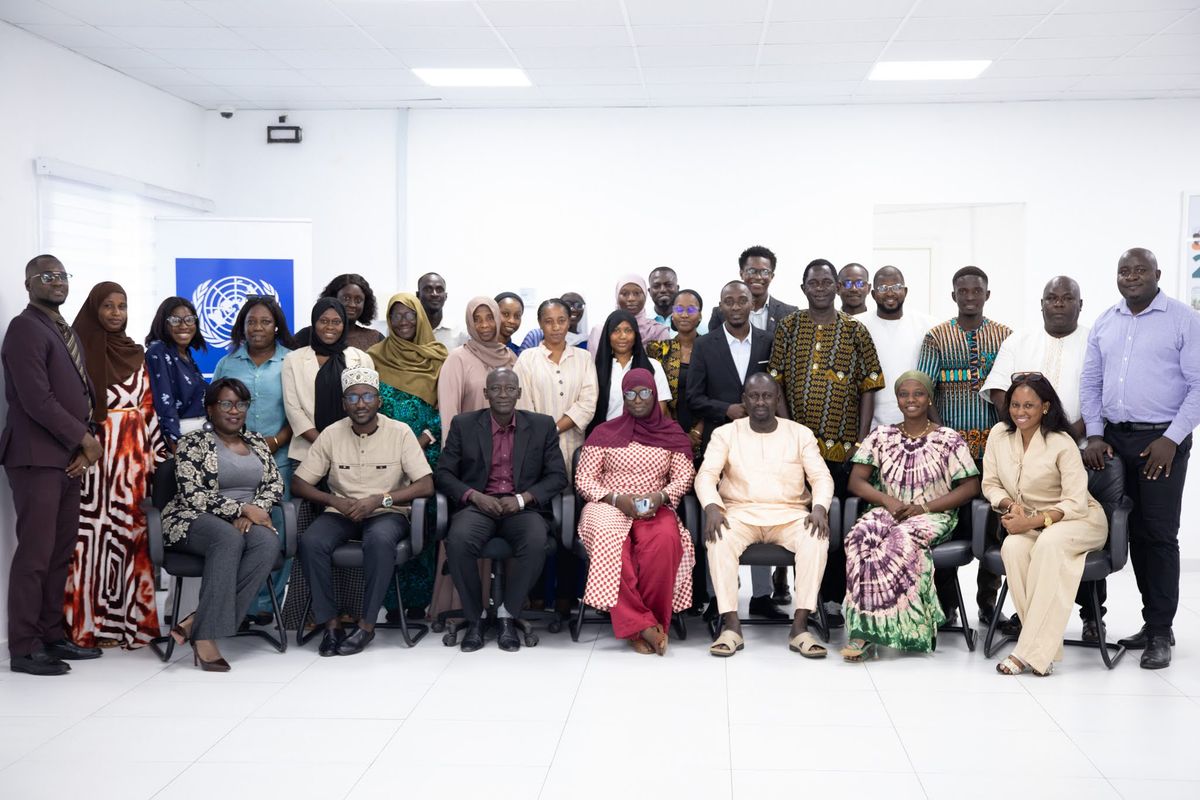
It is against this backdrop that UNDP The Gambia convened a Communications Masterclass for implementing partners, bringing together representatives from government institutions, civil society organizations, programme teams, project managers, communication professionals, and development practitioners. More than a skills-building exercise, the masterclass represented an important investment in strengthening the communication ecosystem that underpins development effectiveness across The Gambia.
The central message throughout the engagement was clear: communication is no longer a support function operating at the margins of development programmes. It is a strategic management function that influences organizational credibility, drives stakeholder engagement, shapes public perception, strengthens accountability, and supports resource mobilization.
Moving Beyond Activities to Impact
One of the recurring challenges facing development organizations globally is the tendency to communicate activities rather than outcomes. Reports often document workshops conducted, meetings held, or beneficiaries reached, while failing to explain the deeper transformation these interventions create in people’s lives and communities.
For organizations implementing development programmes, this creates a significant risk. When impact is not effectively communicated, valuable achievements remain invisible to policymakers, donors, partners, and citizens. As a result, organizations may struggle to attract support, influence policy discussions, or demonstrate value for investment.
The masterclass therefore challenged participants to rethink how they communicate development results. The emphasis was on shifting from reporting processes to telling compelling stories of change, transformation, resilience, and systems impact.
This shift is particularly important for UNDP and its partners because development outcomes are often long-term and multidimensional. Effective communication helps bridge the gap between technical interventions and public understanding, enabling stakeholders to see not only what is being done, but why it matters and how it contributes to national development priorities.
Communication as a Leadership and Management Function
Perhaps the most significant outcome of the masterclass was reinforcing the understanding that communication should be integrated into organizational leadership, planning, and programme implementation from the outset.
Too often, communication is considered only after activities have been completed. However, organizations that position communication strategically are better equipped to anticipate stakeholder concerns, manage reputational risks, shape narratives, build partnerships, and create sustained engagement around their work.
Participants explored how communication strategies can be aligned with organizational objectives, ensuring that communication efforts directly support programme outcomes, advocacy priorities, and institutional goals.
This approach strengthens organizational effectiveness because communication becomes a tool for driving results rather than simply documenting them.
For UNDP implementing partners, this represents a significant step toward embedding communication within decision-making processes and organizational strategy. Such integration enables institutions to engage stakeholders more meaningfully, strengthen legitimacy, and increase the visibility of development achievements.
Strategic Positioning in an Increasingly Competitive Environment
Development organizations today operate in an environment characterized by growing expectations for transparency, accountability, and measurable impact. Donors, policymakers, communities, and the public expect evidence of results and clear demonstration of value.
Organizations that communicate strategically are better positioned to stand out, build credibility, and establish themselves as trusted development actors.
The masterclass emphasized that strategic communication is fundamentally about positioning. It is about ensuring that organizations are recognized not only for the projects they implement, but also for the solutions they provide, the expertise they possess, and the impact they generate.
Strong positioning creates opportunities for influence. It enables organizations to shape conversations around critical development issues, contribute to policy dialogue, and elevate the voices of communities they serve.
For UNDP The Gambia and its implementing partners, stronger communication capacity means a stronger collective ability to influence development discourse and highlight progress toward national and global development goals.
Strengthening Resource Mobilization and Sustainability
A critical implication of the masterclass lies in its contribution to sustainability and resource mobilization.
Funding decisions are increasingly influenced by evidence, impact narratives, and stakeholder confidence. Organizations that can effectively communicate results are often better positioned to attract partnerships, secure investments, and sustain programme interventions.
Donors are not merely funding activities; they are investing in change. Effective communication helps demonstrate that change by translating technical data into compelling narratives supported by evidence, beneficiary experiences, and measurable outcomes.
By strengthening the ability of implementing partners to communicate their results, UNDP is helping build a stronger foundation for future partnerships and resource mobilization efforts.
This is particularly important in a development landscape where organizations must continually demonstrate relevance, effectiveness, and impact to maintain support and scale interventions.
Building Trust Through Strategic Storytelling
Trust remains one of the most valuable assets for any development organization.
Communities, stakeholders, and partners are more likely to engage with institutions that communicate openly, consistently, and authentically. Strategic storytelling plays a critical role in building that trust.
The masterclass highlighted the importance of ethical, inclusive, and human-centered storytelling that respects dignity while demonstrating impact. Participants explored ways of capturing voices, experiences, and perspectives that bring development results to life.
When stories are grounded in evidence and authenticity, they become powerful instruments for advocacy, awareness creation, and stakeholder engagement.
They also help humanize development, transforming statistics and project indicators into relatable stories that inspire understanding, empathy, and action.
Creating a Culture of Evidence-Based Communication
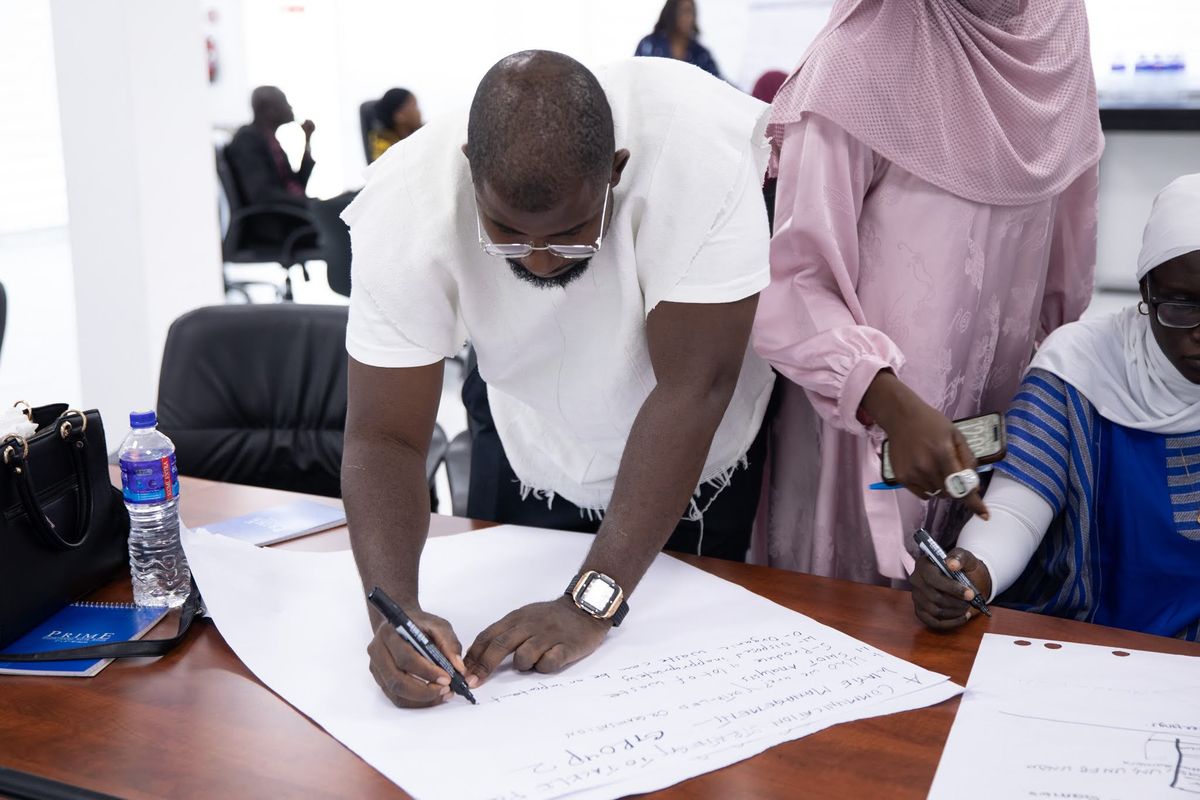
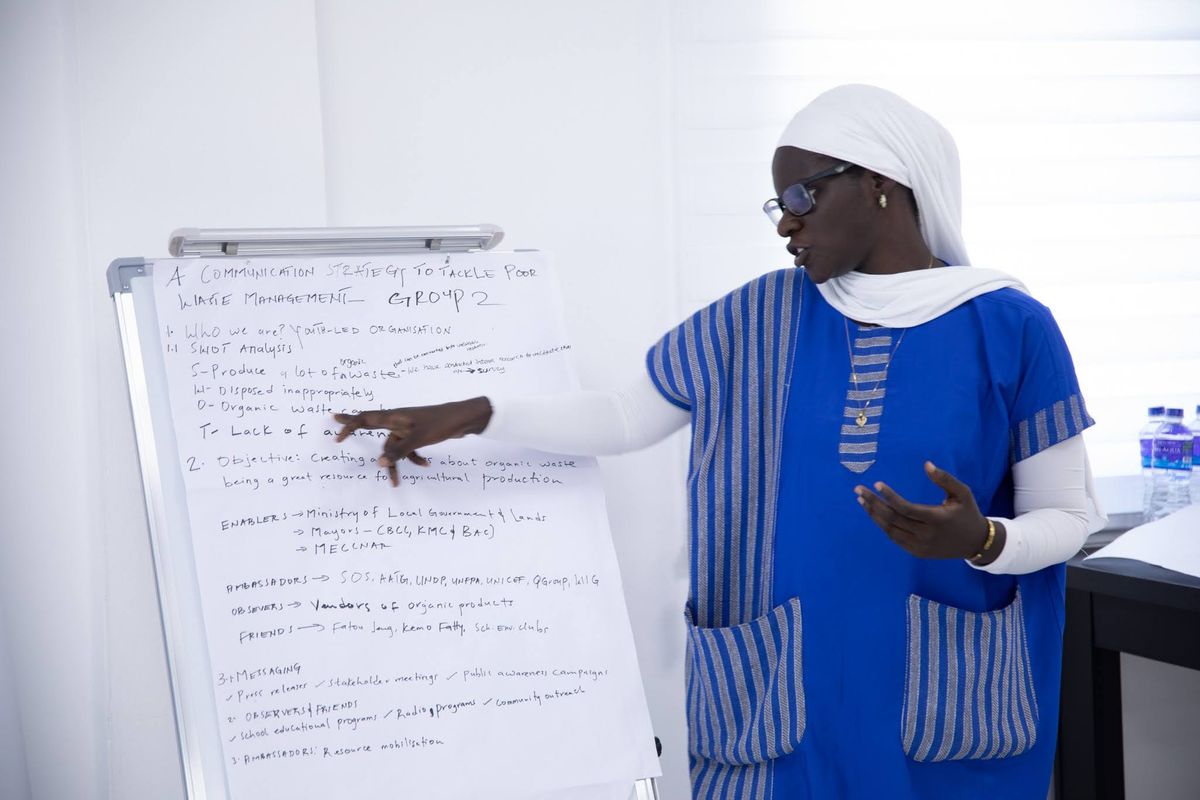
A notable outcome of the engagement was participants’ strengthened capacity to approach communication more systematically. Through communication strategy frameworks, stakeholder mapping tools, audience analysis approaches, messaging structures, and communication planning methodologies, participants were equipped with practical tools for designing communication efforts that are purposeful and measurable.
This contributes to a broader culture of evidence-based communication where decisions are guided by research, audience insights, stakeholder needs, and clearly defined objectives.
Such an approach ensures that communication resources are used strategically and that communication interventions contribute meaningfully to broader development outcomes.
A Strategic Investment in Development Effectiveness
Ultimately, the Communications Masterclass was about more than communication. It was about enhancing development effectiveness.
By strengthening partners’ ability to communicate results, engage stakeholders, influence decision-makers, and tell compelling stories of change, UNDP The Gambia is investing in a critical capability that directly supports sustainable development outcomes.
The long-term value of the masterclass will be measured not only in the communication products participants produce, but in stronger institutional visibility, enhanced stakeholder trust, improved policy influence, more effective advocacy, greater resource mobilization, and better documentation of impact across the development sector.
As development efforts become increasingly interconnected and accountability demands continue to grow, the ability to communicate strategically will be as important as the ability to implement programmes effectively.
The conversations initiated through this masterclass therefore represent an important step toward ensuring that development achievements across The Gambia are not only realized, but also understood, valued, supported, and sustained.
For UNDP and its implementing partners, communication is no longer simply about telling stories. It is about demonstrating impact, shaping perceptions, influencing change, mobilizing action, and ultimately advancing sustainable development. In today’s development landscape, that is not a luxury. It is a strategic necessity.
The Communications Strategy Handbook and the Writing for Impact Handbook developed for this masterclass are available on request — get in touch through the contact page to receive a copy.