A Hidden Economic Engine
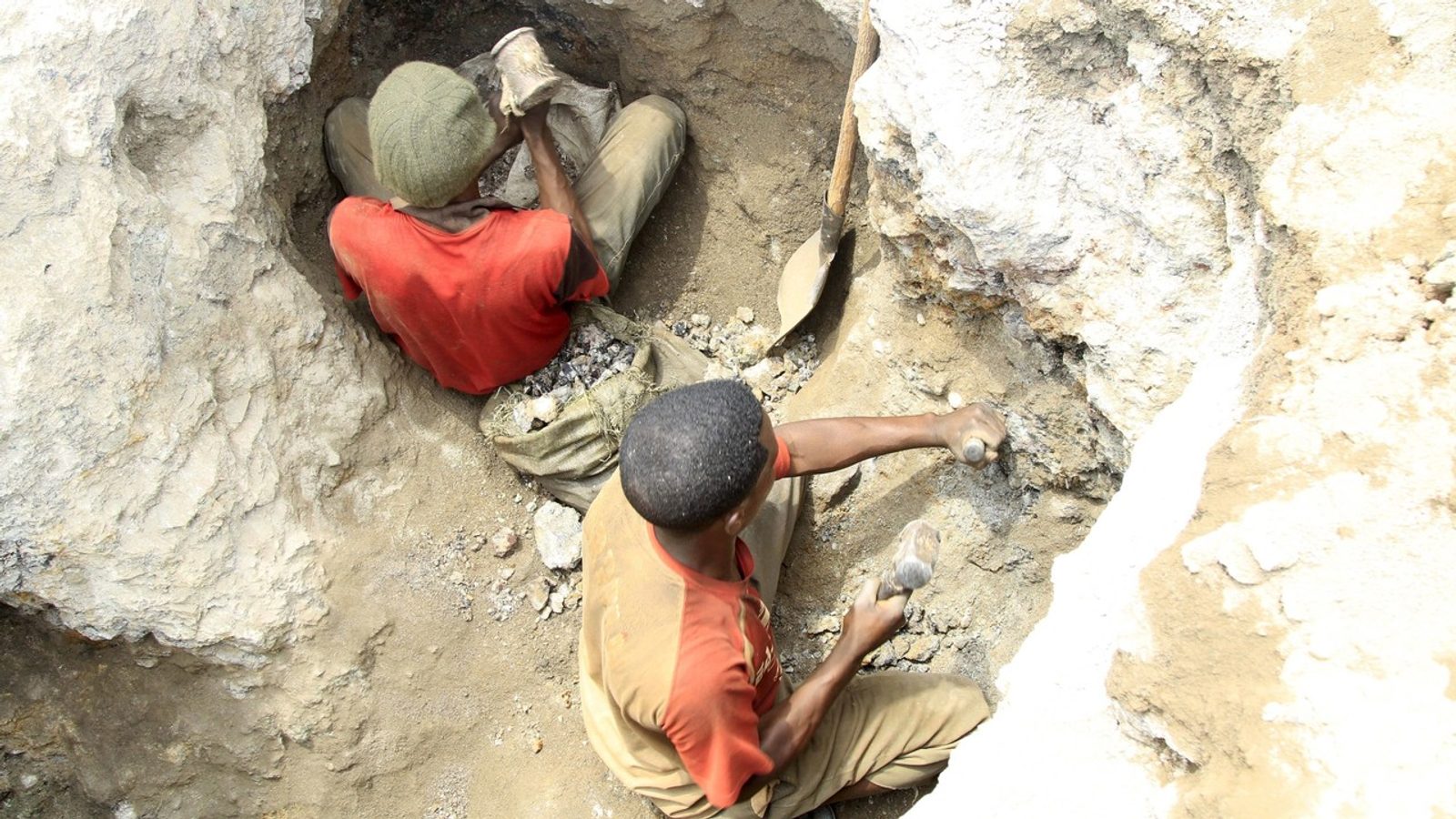
Artisanal and small-scale mining (ASM) activities have been a reality in Kenya for a very long time, acting as a significant source of employment in the communities surrounding mines. In fact, in 2015, an estimated 800,000 Kenyans were depended on the sector, which contributed 0.8% to the gross domestic product (GDP). Even so, robust evidence is still lacking to understand the current economic contribution of ASM in Kenya, how the sector is formally or informally coordinated, how many and which demographic groups are trapped in the poverty cycle, and who is benefitting from the sector in its current form.
ASM’s critical role in poverty reduction and rural development can be seen in regional initiatives such as Pact’s Mines to Markets (M2M), as well as the formation of CASM (Collaborative Group on Artisanal & Small-Scale Mining) by the World Bank. However, while the sector is perhaps better known for its high environmental costs, gender inequality, child labour, as well as poor health and safety records, little is known about its actual potential.
As a strategic response, Pact with support from the U.K. Department for International Development (DFID) via its East Africa Research Fund (EARF), and the Alliance for Responsible Mining (ARM) led a study to understand the economic contribution of small-scale mining in East Africa (Kenya, Rwanda and Uganda). The research also sought to document value chains and make targeted recommendations on how to improve the economic performance of the diverse sector. It shows various ways highlighted below, how the ASM sector contributes to the economy.
Counting the Miners
First, with a focus on Kenya (Taita Taveta and Migori Counties), the research shows that, the artisanal gold mining sector, considering other counties such as Siaya, Turkana etc., employs close to 40,000 people, whilst the gemstone sector countrywide employs around 30,000 miners. In Migori, mining is, by far, the main income-generating activity with men constituting 92% of the extraction workforce while women constitute 62% of the mineral processing (crushing, milling, sluicing, amalgamation) workforce.
Second, in Taita Taveta (Mwatate and Voi), both men and women find it easy to get engaged in mining because they earn more than those in agriculture. The number of miners in the extractive and processing sector is approximately 10,000, with women comprising only 15% of the ASM workforce. These 10,000 miners national market value of production amounts to KES 12 billion (USD 120 million).
Third, if miners’ and landowners’ share in Taita Taveta is assumed to have been spent locally on food and on locally sold consumer goods, then half of investors’ share can be assumed as local direct investment. Half of traders’ share can also be considered as spent locally. This means, the local economic contribution can therefore be estimated in roughly USD 80 million. Miners’ income spent in VAT-taxed goods in Taita Taveta contributes an estimated USD 1.6 million to the annual Kenyan national budget, which by far exceeds the total royalty revenues.