
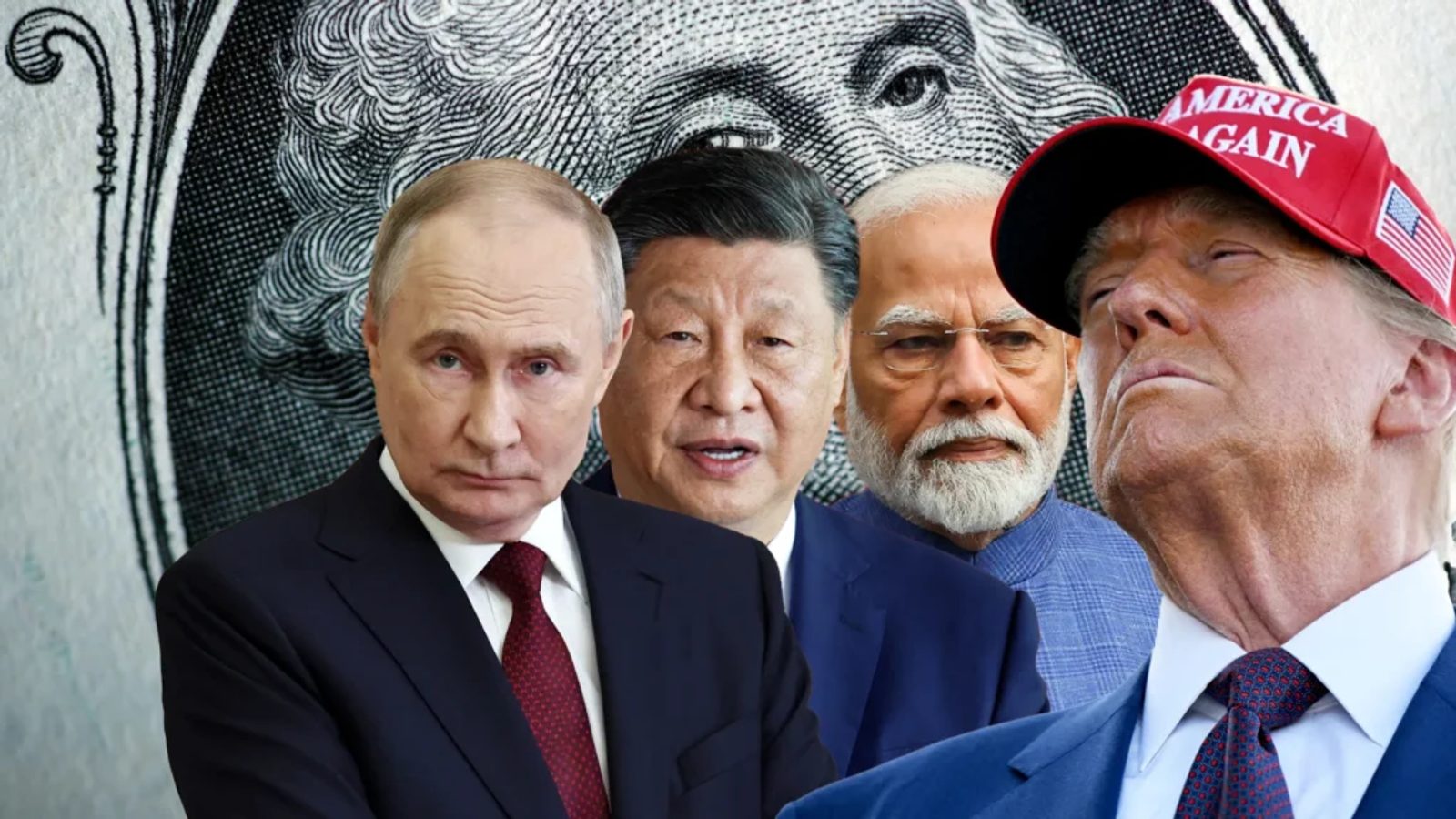
Tariffs, Isolation, and the New American Gamble
Donald Trump’s decision to impose new tariffs on all goods entering the US is a "major blow to the world economy," European Commission Chief Ursula von der Leyen said. Her comments echo those of a number of other countries, including China, which has expressed its opposition to the move and has warned it will take "resolute countermeasures" against the US. Their words of warning come after the US president announced a universal 10% tariff on all imports into the US from April 5. Around 60 countries will also be hit with steeper tariffs from April 9. Trump has said the tariffs will be used to boost US manufacturing, declaring that the move would "make America wealthy again."
But will it?
The United States has long been the dominant force in the global economy and geopolitics, but recent years have raised an unsettling question: Is America shooting itself in the foot with these economic policies, or is Trump truly making America wealthy again? Under President Donald Trump, the country has pursued an aggressive inward-focused economic policy, slashing public spending, imposing tariffs, and championing an "America First" ideology. While Trump’s supporters argue that these measures strengthen the domestic economy, critics warn they have eroded the U.S.’s global standing.
The Illusion of Economic Strength?
The United States was once the undisputed manufacturing powerhouse of the world, but that dominance has been steadily eroding. In 1945, America accounted for half of all global manufacturing; today, that figure is closer to 16%. Meanwhile, America’s national debt has ballooned to $36 trillion and is growing by $1 trillion annually. Trump’s solution? A sweeping set of tariffs meant to revitalize U.S. manufacturing and reduce reliance on foreign goods.
On the surface, some of Trump’s economic moves look like a success. The stock market soared during his tenure, and unemployment hit historic lows before the COVID-19 pandemic disrupted global economies. In 2019, the U.S. had a GDP of $21.43 trillion, making it the world’s largest economy. His administration argued that cutting public spending, deregulating industries, and imposing tariffs on China, Canada, and Mexico were necessary to restore American competitiveness.
These policies have far-reaching consequences, especially for the average American consumers. Strained relations with long-time allies will disrupt supply chains and raise costs for American businesses. Additionally, slashing government institutions is likely to weaken America’s ability to respond to crises, as seen during the pandemic. The push to decouple from global markets, rather than making America stronger, might render many sectors vulnerable to instability.
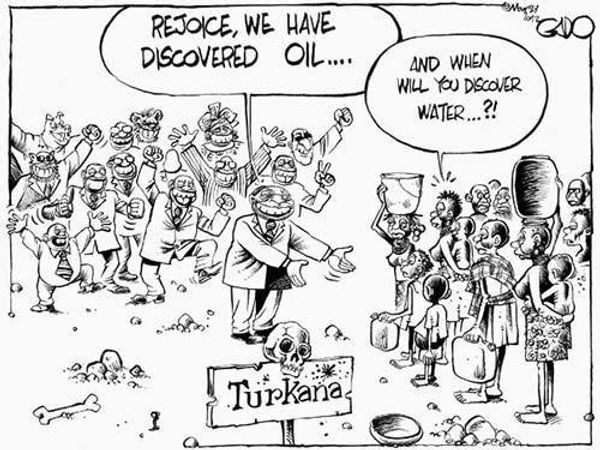


True that 'global interdependence is a reality that no country can afford to ignore.' The spillover impact will be felt globally.