Africa's Resource Paradox
Martin Namasaka explores how some African countries can overcome the curse of being blessed with extensive resources.
In a remote corner of south eastern Guinea, the lush green highlands of Simandou are at the centre of a transformation being felt all over Africa after the discovery of one of the world’s richest and most coveted repositories of iron ore, the core ingredient of making steel. Today multinational companies are competing for a stake in Simandou’s ore, with billions of dollars of investment in prospect.
Together with recent landmark discoveries of natural resources in Ghana, Uganda, DR Congo, Kenya (now ranked Africa’s fastest growing economy), Ethiopia, Mozambique, and Tanzania and many more, Africa is standing on the edge of an enormous opportunity in the global economy. But historically, these resources have often been more of a curse than a blessing leading to a variety of explanations for the failure to convert their natural resources into development assets.
Stuck at the Bottom of the Value Chain
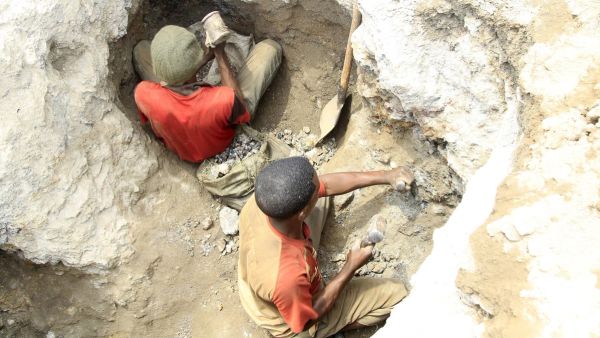
First, Africa remains an exporter of unprocessed or lightly processed commodities (UNCTAD, 2005). This is exemplified in the case of DR Congo, the world’s largest exporter of cobalt, in the form of unprocessed ore – with value added elsewhere, namely, by a smelting industry in China, Guinea exports of bauxite are processed into aluminum overseas; Angola and Nigeria export (low valueadded) crude oil and import (high value added) petroleum and petroleum based plastics and fertilisers (Africa Progress Panel, 2013).
A study by the Southern African Development Community of the value chain for a range of minerals in Africa found that the value chain of unprocessed products was typically 400 times greater than the equivalent unit value (by weight) of the raw material. To unlock the full potential of its natural resources, Africa needs to climb the valueadded chain of mineral processing and manufacturing.
When Resource Wealth Enriches the Few
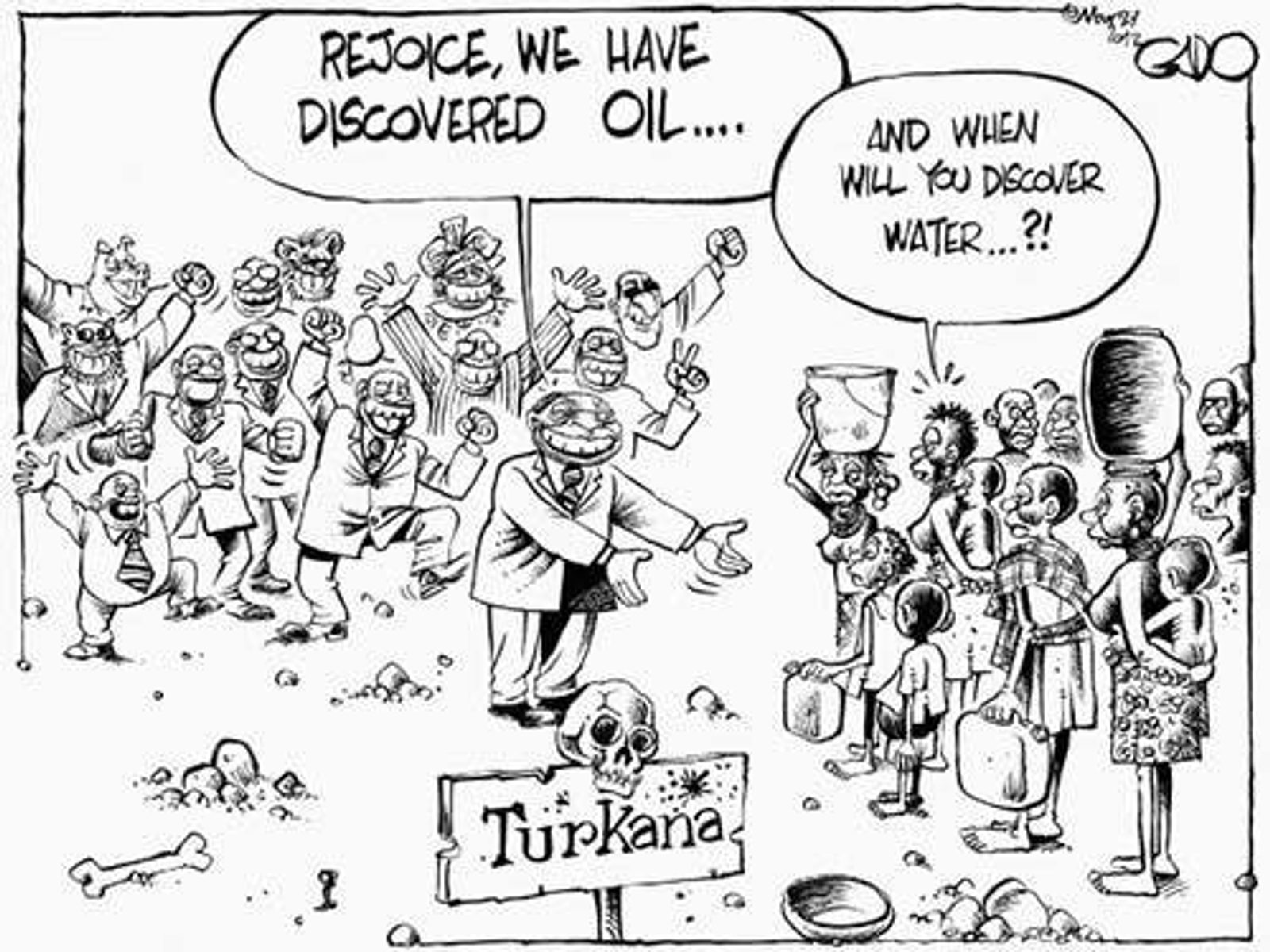
Second, Africa lacks efficient redistributive policies in the sense that its resource wealth has bypassed the vast majority of people and built fortunes for a privileged few. Notable examples include a lawsuit accusing President Omar Bongo Ondimba of Gabon, Denis Nguesso of the Republic of Congo and Teodoro Obiang Nguema Mbasogo of Equatorial Guinea of buying luxury homes with state funds. Nguesso allegedly owned 24 estates and operated 112 bank accounts in France, while Bongo and his relatives allegedly owned about 30 luxury estates on the French Riviera and in Paris and its suburbs (Transparency International, 2009).